Air-Drying Flowers at Home: What Actually Works
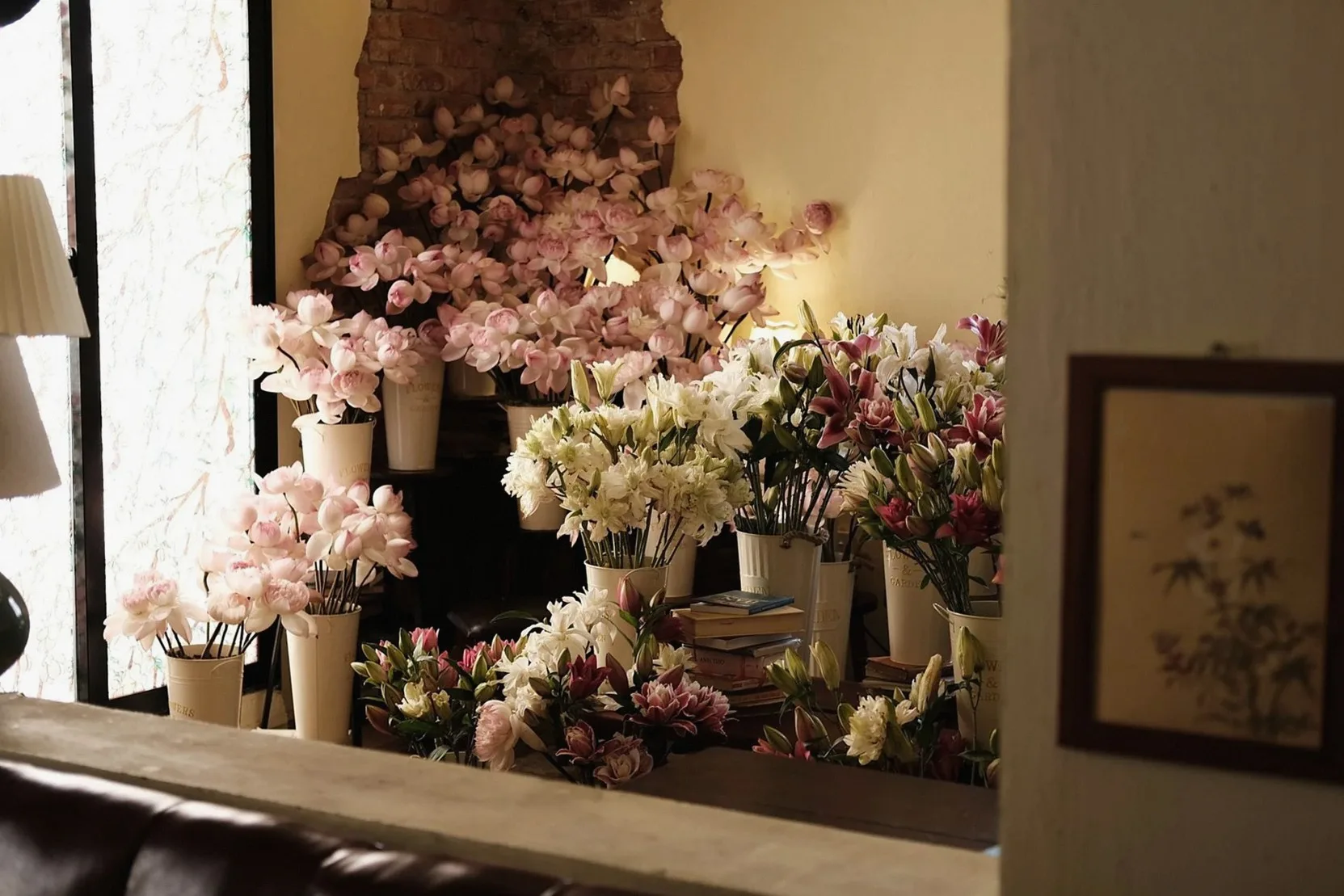
About a third of what comes out of the Dune Wildflower studio is dried or preserved material. We have been doing it long enough to know which flowers dry well without any intervention, which need a little help, and which are not worth the effort. Here is what we have learned, applied to a home setting rather than a studio.
Which flowers dry reliably
Strawflower is the most reliable of anything we work with. It holds its colour and shape almost perfectly, and it dries fast, usually within a week hanging in a warm room. Statice, lunaria, and dried grasses are similarly straightforward. Lavender is good if you harvest it before the flowers fully open.
Dahlias are more difficult. They can dry successfully but they are prone to mould if the humidity is high or the airflow is poor. We have better results with smaller dahlia heads than with the large dinner-plate varieties.
- Strawflower: excellent, fast, colour-stable
- Statice: reliable, holds shape well
- Lunaria (honesty): easy, beautiful translucent seed pods
- Dried grasses: very easy, harvest before full seed drop
- Lavender: good if harvested early
- Dahlias: possible but requires good airflow
The basics of hanging to dry
Strip most of the foliage before you hang. Leaves dry unevenly and can trap moisture against the stem. Tie stems in small bunches, no more than five or six stems per bunch, and hang them upside down in a spot with good airflow and low humidity. A shed, a dry garage, or a warm room with a window open works well. Avoid bathrooms or kitchens where steam is regular.
The drying time depends on the flower and the conditions. Strawflower can be done in five days. Hydrangea heads can take two to three weeks. Check regularly and do not rush it. A stem that is moved before it is fully dry will droop.
Glycerine preservation for foliage
Glycerine preservation is different from air-drying and works particularly well for foliage: eucalyptus, oak leaves, beech. You mix one part glycerine with two parts hot water, let it cool, and stand the stems in the solution for two to four weeks. The glycerine replaces the water in the plant cells and keeps the material supple rather than brittle. The colour shifts, usually toward a deeper, slightly bronzed version of the original, which is part of the appeal.
The main thing is patience and airflow. Most failures in home drying come from crowded bunches in damp rooms. Give the stems space and a dry spot and most of them will surprise you.